
Myopia Management
Myopia FAQ: Causes, Risks, Complications, and Modern Treatments
-
Myopia, commonly called nearsightedness, is a vision condition where close objects appear clear, but distant objects appear blurry. It occurs when the eye grows too long from front to back (axial length) or when the cornea is too curved, causing light to focus in front of the retina instead of directly on it.
-
Myopia is caused by a combination of genetics and environment:
Genetic factors
- One or both parents are nearsighted
- Family history of high myopia
Environmental factors
- Excessive near work (screens, reading, tablets)
- Limited outdoor time in childhood
- Prolonged close focusing
-
Family history of myopia
High screen exposure in childhood
Minimal outdoor activity
Early onset of myopia (before age 8)
Urban living environments
Intensive academic demands
-
Myopia is not just a vision issue — it is a progressive eye health condition. As myopia increases, so does the risk of long-term eye disease.
-
High or progressive myopia significantly increases the risk of:
- Retinal detachment
- Myopic macular degeneration
- Glaucoma
- Cataracts
- Permanent vision loss
The higher the prescription, the greater the lifetime risk.
-
Myopia cannot always be prevented, but its progression can often be slowed with early intervention and proper management.
Protective strategies include:- Increased outdoor time
- Limiting prolonged near work
- Regular pediatric eye exams
- Early myopia control treatment
-
MiSight® 1 day contact lenses are FDA-approved soft contact lenses designed specifically to slow myopia progression in children.
How MiSight works:MiSight lenses use peripheral defocus technology, which changes how light focuses on the retina to slow eye growth.
Benefits:- FDA-approved for myopia control
- Daily disposable lenses
- Proven to slow progression
- Safe for children
- Comfortable and easy to use
Essilor Stellest® lenses are specialized myopia control glasses using Highly Aspherical Lenslet (HALT) technology.
How Stellest works:They create a volume of defocused light signals that slow axial eye growth while maintaining clear central vision.
Benefits:- Non-contact lens option
- Child-friendly
- Proven myopia control technology
- No eye drops required
- Worn like normal glasses
Ortho-K uses custom-designed rigid contact lenses worn overnight to gently reshape the cornea.
How Ortho-K works:- Lenses are worn during sleep
- Vision correction during the day without glasses or contacts
- Peripheral defocus slows myopia progression
Benefits:
- Daytime freedom from glasses/contacts
- Myopia control
- Non-surgical
- Ideal for active children and teens
Low-dose atropine eye drops are used nightly to slow myopia progression.
How atropine works:Atropine reduces biochemical signals that stimulate eye elongation.
Benefits:- Proven effectiveness
- Simple nightly dosing
- Can be combined with optical treatments
- Suitable for young children
The earlier treatment starts, the better the outcome. Myopia management is most effective when initiated:
- At first diagnosis
- In early childhood
- At the first signs of progression
Monitoring typically includes:
- Regular prescription checks
- Axial length measurements
- Retinal health exams
- Growth trend analysis
Yes. Myopia management treatments are clinically studied, evidence-based, and widely used in pediatric eye care.
Most myopia control treatments are considered elective or preventive care and may not be covered by standard vision insurance. Some plans may provide partial coverage for exams or materials.
Because every diopter matters. Lower prescriptions = lower lifetime risk of vision-threatening complications.
Myopia management is about protecting long-term eye health, not just improving vision today.Summary: Myopia Is a Medical Condition, Not Just a Prescription
Myopia is a progressive eye disease that requires proactive management. Modern treatments like MiSight®, Stellest®, Ortho-K, and atropine therapy allow optometrists to slow progression, reduce long-term risks, and protect lifelong vision.
Early detection + early treatment = better lifelong outcomes.
Our doctors at Friedman Optometry are certified to manage myopia with all of the above methods. Ask your doctor which method is ideal for your child’s ocular health and development.
Quick LinksHelpful Articlesarticle_category: exotic
article_category: restorative
article_category: conditions
article_category: general
article_category: vision therapy
article_category: faqs
article_category: services
article_category: ocular disease management
article_category: cosmetic
article_category: surgical procedures
article_category: eye health
article_category: technology
article_category: large animal
article_category: cats
article_category: aesthetics
article_category: products
article_category: psychiatry
article_category: dogs
article_category: preventative
article_category: health
article_category: contact lenses
article_category: eye surgery co-management
article_category: eyeglasses
[]Flowbite is an open-source library of interactive components built on top of Tailwind CSS including buttons, dropdowns, modals, navbars, and more.
Check out this guide to learn how to get started and start developing websites even faster with components on top of Tailwind CSS.
All Eye Care Services
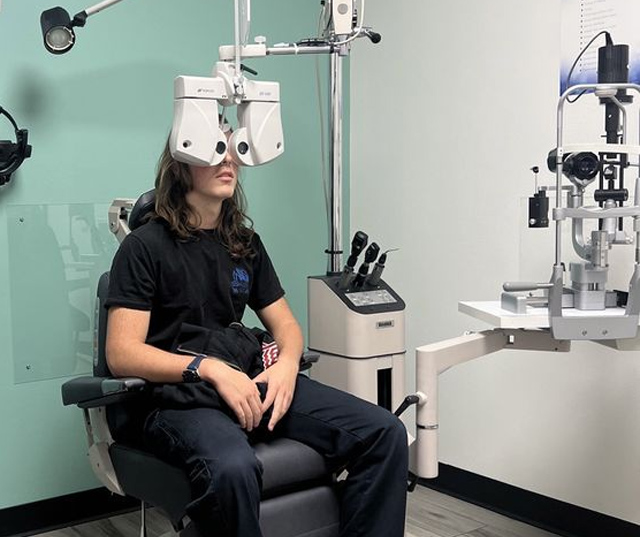
Find personalized eye care excellence with our comprehensive services. From eye exams to advanced diagnostics, trust us for all your vision needs.
Keep In Touch
For non-urgent questions or to learn more about our services, contact us today!
Myopia Control Treatments
Modern optometry now focuses on myopia management, not just vision correction.
© 2026 Friedman Optometry. All rights Reserved - Accessibility Statement - Privacy Policy - Terms and Conditions - Sitemap
Managed and Designed by 