OptiPlus RF for Dry Eye: What to Discuss at Your Consultation
If artificial tears provide only temporary relief from burning, grittiness, redness, or fluctuating vision, the problem may involve more than a lack of moisture. For many patients, meibomian gland dysfunction, or MGD, contributes to evaporative dry eye by preventing the eyelids from producing enough healthy oil to stabilize the tear film.
At Friedman Optometry in Rancho Cucamonga, we offer OptiPlus radiofrequency technology as one option for patients with dry eye and meibomian gland concerns. A consultation helps determine whether this treatment fits your symptoms, eye health, and overall treatment plan.
How Does OptiPlus RF Work?
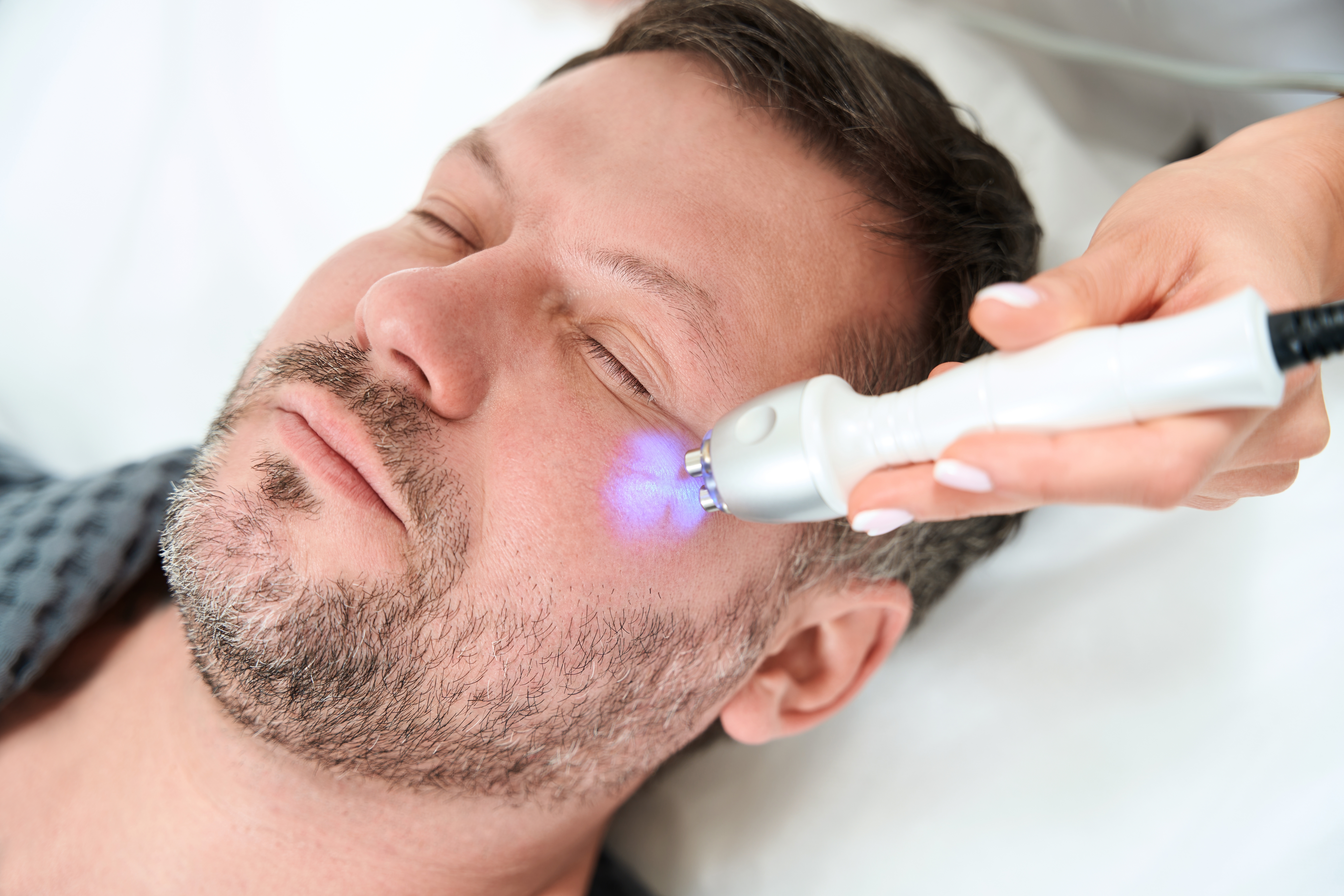
OptiPlus uses controlled dual-frequency radiofrequency energy to warm targeted tissues around the eyelids. This heat can help soften thickened oils within the meibomian glands, making it easier for the glands to release their contents.
Healthy meibomian gland oils form the outer layer of the tear film and help slow tear evaporation. When these glands become blocked or dysfunctional, tears may evaporate too quickly, contributing to burning, watering, irritation, and unstable vision.
OptiPlus is designed to support gland function through controlled heating, but dry eye is multifactorial. Not every patient has the same underlying cause or needs the same treatment.
What Happens Before Treatment Is Recommended?
A dry eye consultation should begin with evaluating why your eyes are uncomfortable. At our Rancho Cucamonga practice, we may assess tear quality, tear evaporation, the eyelids, ocular surface, and meibomian glands.
Friedman Optometry also uses Topcon MYAH meibography to examine the structure of the meibomian glands. This can help us determine whether gland blockage, inflammation, or gland changes may be contributing to your symptoms.
The findings help us decide whether OptiPlus RF, another treatment, or a combination approach is appropriate.
What Should You Discuss at Your Consultation?
Your consultation is a good opportunity to understand both the potential benefits and limitations of RF treatment. Important topics include:
How much of your dry eye appears related to meibomian gland dysfunction
What your meibography and tear-film evaluation show
How many OptiPlus sessions may be recommended
What the treatment feels like and what to expect afterward
Whether OptiPlus may be combined with OptiLight IPL or other dry eye treatments
What home care you should continue between appointments
Be sure to mention your medications, medical conditions, previous eye or facial procedures, and any implanted medical devices. Pregnancy, heat sensitivity, active infection, certain implants, and other factors may affect whether radiofrequency treatment is appropriate.
What Does an OptiPlus Treatment Feel Like?
During OptiPlus treatment, controlled RF energy creates warmth in the treated area. The technology uses temperature-controlled settings, and patients remain awake and able to communicate how the treatment feels.
The procedure does not involve surgery or incisions. Some temporary warmth, redness, swelling, or tenderness may occur after radiofrequency treatment. Your eye doctor can explain expected effects and any specific aftercare recommendations before treatment begins.
Is OptiPlus a One-Time Cure for Dry Eye?
Dry eye is often a chronic condition, so it is more realistic to think of OptiPlus as one part of an ongoing management plan rather than a permanent cure.
Depending on your examination findings, treatment may also involve eyelid care, artificial tears, prescription therapies, meibomian gland expression, or OptiLight IPL. Friedman Optometry may combine OptiPlus and OptiLight for selected patients when both gland obstruction and inflammatory factors need to be addressed.
Results vary, and follow-up allows us to evaluate how your symptoms and tear film respond.
If persistent dry eye symptoms are interfering with your comfort, contact Friedman Optometry at 10837 Laurel St., Suite 202, Rancho Cucamonga, CA 91730 by calling (909) 987-3330 to schedule a dry eye consultation and discuss whether OptiPlus RF may be appropriate for you.
Quick Links
Helpful Articles
article_category: products
article_category: psychiatry
article_category: dogs
article_category: preventative
article_category: health
article_category: contact lenses
article_category: eye surgery co-management
article_category: exotic
article_category: restorative
article_category: conditions
article_category: general
article_category: vision therapy
article_category: faqs
article_category: services
article_category: ocular disease management
article_category: cosmetic
article_category: surgical procedures
article_category: eye health
article_category: technology
article_category: large animal
article_category: cats
article_category: aesthetics
article_category: eyeglasses
[]
Flowbite is an open-source library of interactive components built on top of Tailwind CSS including buttons, dropdowns, modals, navbars, and more.
Check out this guide to learn how to get started and start developing websites even faster with components on top of Tailwind CSS.
All Eye Care Services
Find personalized eye care excellence with our comprehensive services. From eye exams to advanced diagnostics, trust us for all your vision needs.
Keep In Touch
For non-urgent questions or to learn more about our services, contact us today!
© 2026 Friedman Optometry. All rights Reserved - Accessibility Statement - Privacy Policy - Terms and Conditions - Sitemap
Managed and Designed by 