
Are Allergies Causing Your Red, Itchy, Watery Eyes? When to See an Eye Doctor
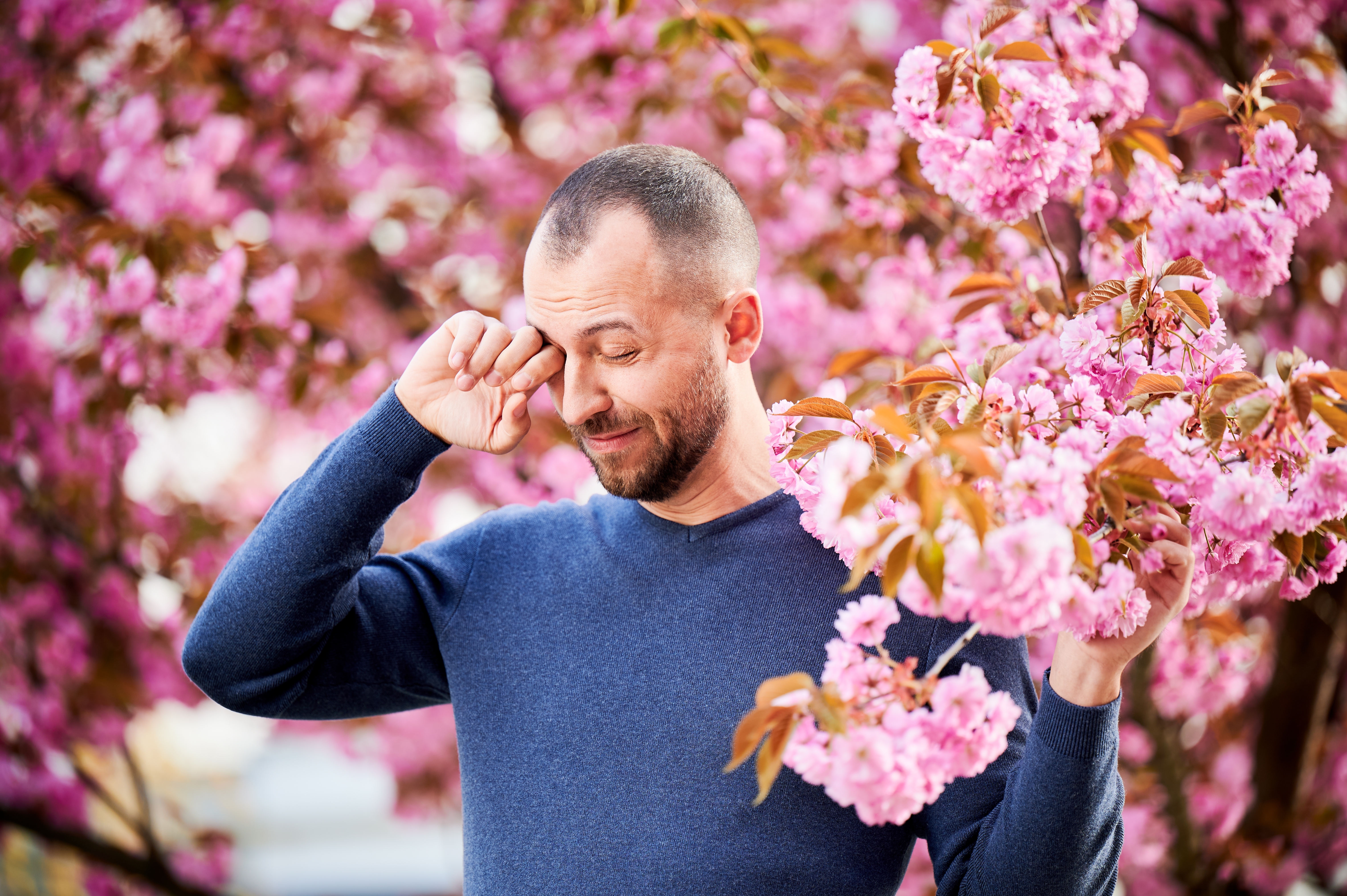
Red, itchy, watery eyes are a common sign of eye allergies, especially during seasons when pollen, dust, and other irritants are more active. But allergy symptoms can look a lot like dry eye, eye infections, or other conditions that need professional care. Knowing the difference can help you get the right treatment sooner and protect your comfort and vision.
What Eye Allergies Usually Feel Like
Eye allergies happen when your eyes react to something in your environment, such as pollen, pet dander, mold, or dust. This reaction can trigger inflammation on the surface of the eye. Common symptoms include itching, tearing, redness, burning, and puffy eyelids. Some people also notice light sensitivity or a stringy discharge.
One of the biggest clues is itching. If your eyes are very itchy along with watering and redness, allergies may be the cause.
Why Allergy Symptoms Are Easy to Misread
Not every case of red, irritated eyes is related to allergies. Dry eye can also cause burning, watering, and blurry vision. Pink eye may cause redness and discharge. Contact lens irritation, blepharitis, and other eye conditions can create similar symptoms as well.
Watery eyes can be especially confusing because many people assume more tears means the eyes are not dry. In reality, irritated eyes often produce reflex tearing, which can happen with both allergies and dry eye.
Signs It May Be More Than Allergies
If your symptoms are persistent, severe, or only partly relieved by over-the-counter drops, it is a good idea to schedule an eye exam. You should not assume allergies are the cause if you also have pain, vision changes, or symptoms in just one eye.
Watch for these signs that it is time to see an eye doctor:
- Ongoing redness that does not improve
- Eye pain or strong discomfort
- Blurry or fluctuating vision
- Thick discharge or crusting
- Swelling that becomes more noticeable
- Contact lenses becoming uncomfortable
- Symptoms that keep coming back
How an Eye Doctor Can Help
An eye exam can help determine whether you are dealing with allergies, dry eye, or another source of irritation. We evaluate the surface of the eye, your tear quality, your eyelids, and any underlying inflammation that may be contributing to your symptoms.
This matters because the right treatment depends on the true cause. Allergy-related irritation may respond best to prescription allergy drops, cold compresses, and avoiding triggers. If dry eye is also involved, treatment may need to focus on tear stability and inflammation as well.
Simple Steps That May Reduce Flare-Ups
If allergies are affecting your eyes, small changes can help reduce irritation. Try avoiding eye rubbing, washing your hands after being outdoors, changing pillowcases regularly, and using artificial tears to rinse away allergens. Wearing sunglasses outside can also help limit exposure to pollen and wind.
If symptoms keep returning, a professional evaluation is often the fastest way to find lasting relief rather than guessing which drops to use.
Signs It Is Time To See an Eye Doctor
You should seek prompt eye care if you have sudden vision changes, significant pain, increasing light sensitivity, or symptoms that feel much worse than your usual allergies. These signs may point to a more serious issue that should not be treated at home.
For help with red, itchy, watery eyes, schedule a comprehensive eye exam at Friedman Optometry in Rancho Cucamonga or San Bernardino, California, by calling (909) 987-3330 or (909) 881-2020.
Quick Links
Helpful Articles
article_category: products
article_category: psychiatry
article_category: dogs
article_category: preventative
article_category: health
article_category: contact lenses
article_category: eye surgery co-management
article_category: exotic
article_category: restorative
article_category: conditions
article_category: general
article_category: vision therapy
article_category: faqs
article_category: services
article_category: ocular disease management
article_category: cosmetic
article_category: surgical procedures
article_category: eye health
article_category: technology
article_category: large animal
article_category: cats
article_category: aesthetics
article_category: eyeglasses
[]
article_category: psychiatry
article_category: dogs
article_category: preventative
article_category: health
article_category: contact lenses
article_category: eye surgery co-management
article_category: exotic
article_category: restorative
article_category: conditions
article_category: general
article_category: vision therapy
article_category: faqs
article_category: services
article_category: ocular disease management
article_category: cosmetic
article_category: surgical procedures
article_category: eye health
article_category: technology
article_category: large animal
article_category: cats
article_category: aesthetics
article_category: eyeglasses
[]
Flowbite is an open-source library of interactive components built on top of Tailwind CSS including buttons, dropdowns, modals, navbars, and more.
Check out this guide to learn how to get started and start developing websites even faster with components on top of Tailwind CSS.
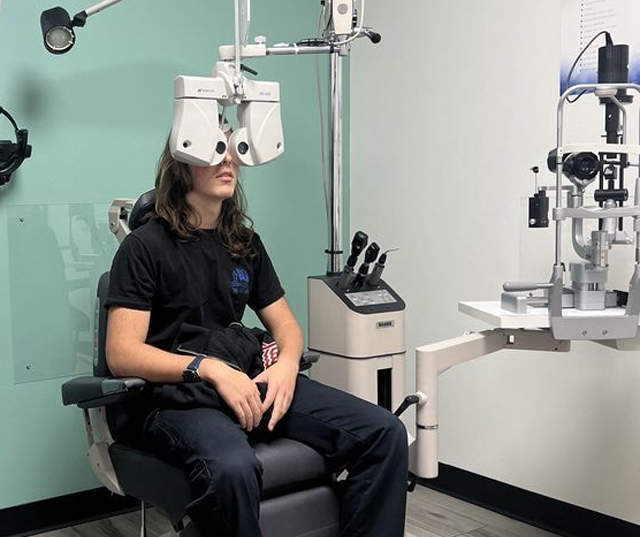
All Eye Care Services
Find personalized eye care excellence with our comprehensive services. From eye exams to advanced diagnostics, trust us for all your vision needs.
Keep In Touch
For non-urgent questions or to learn more about our services, contact us today!
© 2026 Friedman Optometry. All rights Reserved - Accessibility Statement - Privacy Policy - Terms and Conditions - Sitemap
Managed and Designed by 